Introduction
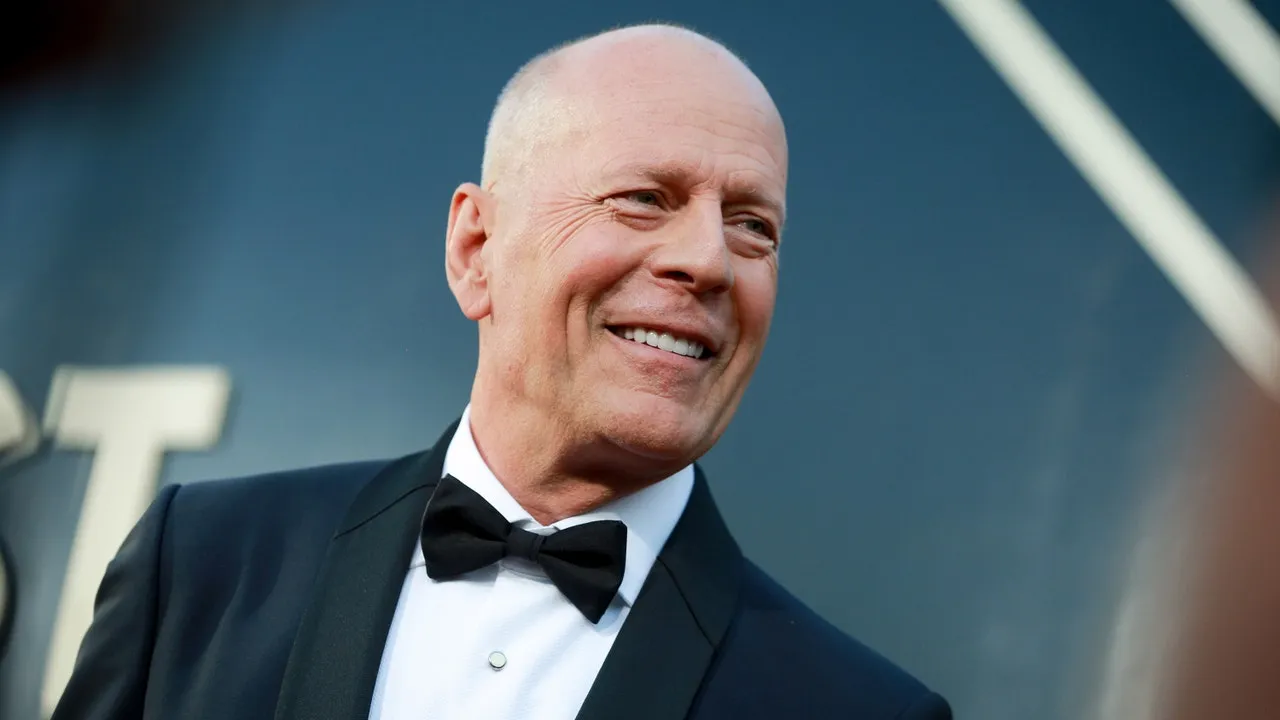
Bruce Willis is one of the most recognizable screen performers of the past four decades. He began his career in television and parlayed that early success into a filmography that spans genre, tone, and scale from sharp romantic-comedy chemistry on Moonlighting to the quiet, spine-tingling drama of The Sixth Sense. It emphasizes facts, trusted sources, and a structure that helps readers find what they need quickly.
TL;DR
- Name: Walter Bruce Willis (born March 19, 1955).
- Big break: Moonlighting (1985–1989).
- Most famous role: John McClane in Die Hard (1988), a role that reshaped modern action heroes.
- Health & retirement: Family announced he would step away from acting in March 2022 due to aphasia; in February 2023, they clarified the condition as frontotemporal dementia (FTD).
- Net worth (public estimate, 2025): approximately $250 million (public estimates vary).
Quick Facts
Full name: Walter Bruce Willis
Born: March 19, 1955, Idar-Oberstein, West Germany (U.S. military family)
Nationality: American
Height: ~6′0″ (1.83 m)
Breakthrough: Moonlighting (TV, 1985–1989)
Signature role: John McClane, Die Hard (1988)
Retirement: Announced stepping away in March 2022 (aphasia); family confirmed FTD Feb 16, 2023
Film & TV credits: 100+ credits (link to IMDb for complete list)
Net worth (2025 est.): ~$250M (public estimate)
Early Life & Education
Walter Bruce Willis was born on March 19, 1955, in Idar-Oberstein, West Germany, where his father served in the U.S. Army. The family relocated to New Jersey while Bruce was still young. He experienced a childhood stutter; stage acting played an essential role in helping him find fluency and confidence. After high school, Willis briefly attended Montclair State College, then moved to New York City to pursue acting. He worked in theater, commercials, and small television roles, steadily building the craft that would lead to stardom.
Breakthrough Moonlighting (1985–1989)
Bruce’s breakout came as David Addison on Moonlighting, a glossy, fast-paced dramedy that combined mystery and romance and showcased his comic timing and chemistry with Cybill Shepherd. The show made him a household name and opened the door to feature films. His charm, improvisational feel, and the series’ visibility translated quickly into major movie offers.
The Role That Changed Action Movies: Die Hard (1988)
Die Hard established Bruce Willis as an action star, but unlike the musclebound, invulnerable heroes of earlier decades. Willis’s John McClane was vulnerable, sarcastic, and resourceful. That everyman quality reframed what an action protagonist could be, influencing casting and storytelling for years. Die Hard remains the touchstone when discussing modern action cinema.
Career Highlights 1990s to 2000s
After Die Hard, Willis alternated between crowd-pleasing blockbusters and more serious, critically respected work:
- Pulp Fiction (1994): A supporting but memorable turn as Butch Coolidge in Quentin Tarantino’s game-changing film.
- 12 Monkeys (1995): An intense, layered sci-fi performance that earned strong critical attention.
- The Sixth Sense (1999): A global phenomenon in which Willis’s quieter dramatic work anchors the film’s emotional beats.
- Unbreakable (2000): A restrained, low-key meditation on heroism that shows his willingness to do subtle, interior work.
These roles show Willis’s ability to shift tone and take risks, moving freely among comedy, action, and drama.
Later Career & Experimentation (2000s–2010s)
In the 2000s and 2010s, Willis continued to take diverse parts: tentpole entertainments, stylish ensemble films, and smart mid-budget projects. Examples include Armageddon (1998), Sin City (2005), and Looper (2012). He also appeared in comedies and action-comedies (The Whole Nine Yards, RED) and accepted smaller or direct-to-video roles later on. Fans and critics note a mix of late highlights and some lesser entries as a common pattern across many long careers.
15 Must-Watch Performances Starter Watchlist
Use this list to create a playlist that displays Willis’s range.
- Die Hard (1988) defines John McClane and changed modern action movies.
- Pulp Fiction (1994) plays against type in Tarantino’s classic.
- The Sixth Sense (1999) had a big dramatic turn in a breakout hit.
- 12 Monkeys (1995) Intense, award-worthy sci-fi performance.
- Unbreakable (2000) Quiet, thoughtful take on superhero mythology.
- Moonlighting (TV, 1985–1989) The TV role that launched him.
- Looper (2012) Smart, muscular late-career sci-fi.
- The Fifth Element (1997): Charismatic, fun supporting sci-fi role.
- Armageddon (1998): Crowd-pleasing blockbuster.
- The Last Boy Scout (1991) Violent, witty action-noir.
- Sin City (2005) Stylish, cool ensemble noir.
- The Whole Nine Yards (2000) Comedy that shows his lighter side.
- Lucky Number Slevin (2006). Cool, twisty crime film.
- RED (2010) Action-comedy about aging heroes.
- Glass (2019) Coda to Unbreakable’s world.
Compact Filmography
Columns: Year | Title | Role | Director | Notes | Streaming
- 1985–1989 | Moonlighting | David Addison | Breakthrough TV role
- 1988 | Die Hard | John McClane | Signature role; action blueprint
- 1994 | Pulp Fiction | Butch Coolidge | Tarantino ensemble
- 1995 | 12 Monkeys | James Cole | Award-worthy sci-fi
- 1999 | The Sixth Sense | Dr. Malcolm Crowe | Global hit
- 2000 | Unbreakable | David Dunn | Low-key superhero drama
- 2012 | Looper | Old Joe | Smart late sci-fi
- 2019 | Glass | David Dunn | Sequel/series coda
Awards, Box Office & Legacy
Willis collected awards and nominations over his career, including an Emmy win for Moonlighting and several Golden Globe nods. While he was not an Oscar regular, his box office impact is large: films starring or featuring him have grossed billions worldwide. More importantly, his legacy is cultural: the John McClane archetype, an ordinary person. Sarcastic, resilient hero, reshaped action-movie storytelling and influenced later actors and franchises. His versatility across comedy, action, and drama made him a persistent presence in both mainstream tentpoles and smaller auteur work.
Health, Retirement & Family Clear Timeline
This section must be handled with care and anchored to public statements.
Key dates & statements
- March 2022: The Willis family announced Bruce would step away from acting after being diagnosed with aphasia, a communication disorder that affects language processing.
- February 16, 2023: The family released an update saying the condition had progressed, and doctors had identified frontotemporal dementia (FTD), a diagnosis that better explained broader symptoms.
What is Frontotemporal Dementia
Frontotemporal dementia is an umbrella term for disorders that primarily affect the frontal and temporal lobes of the brain. It commonly manifests with changes in personality, behavior, language, and executive functioning. Symptoms may include difficulty finding words, shifts in social behavior, reduced empathy, and problems with planning.

Family, Caregiving & Public Response
Bruce’s wife, Emma Heming Willis, his older daughters (Rumer, Scout, Tallulah), and his younger daughters with Emma have issued selective updates. Public response combined concern and support, and the family’s openness helped create attention for FTD research and caregiver support. The family emphasized privacy and practical caregiving steps.
How to Watch Bruce Willis Today Streaming & Box Sets
Starter playlist (6 films):
Die Hard, Pulp Fiction, The Sixth Sense, Unbreakable, 12 Monkeys, Looper. These titles show his range: action, indie prestige, psychological drama, and late-career sci-fi.
Monetization ideas for publishers:
- Affiliate “Bruce Willis Starter Pack” CTA bundling streaming or DVD/Blu-ray box sets.
- Offer a downloadable CSV filmography in exchange for an email.
- Embed streaming-link widgets (ensure you follow each platform’s affiliate rules).
- Create curated playlists and editorial packages (Action, Drama, Sci-Fi).
CMS note: Include director, year, and a one-line tag (Action, Drama, Comedy) for each film entry to enable quick filtering and better user experience.
Pros & Cons of Bruce Willis’ Career
Pros
- Huge cultural impact (esp. Die Hard).
- Clear range: comedy, action, drama.
- Long career with many memorable roles and broad recognition.
Cons
- Late-career output included many low-budget/direct-to-video releases that drew less critical attention.
- Health issues curtailed public output earlier than many fans hoped.
- Many unofficial social accounts exist; verify before linking.
Frequently Asked Questions
A: Yes. In March 2022, the family announced he would step away from acting after a diagnosis of aphasia. In February 2023, the family said his condition progressed to frontotemporal dementia (FTD). For the full statement, see family posts and the AFTD.
A: John McClane in Die Hard. This role is his signature and a key part of his legacy.
A: He has more than 100 film and TV credits. For a full list, link to IMDb or create your internal filmography page.
A: Idar-Oberstein, West Germany, on March 19, 1955.
Acting Style & On-Screen Persona
Bruce Willis’s screen presence combined a conversational, lived-in delivery with a knack for understated physicality. Unlike actors who rely on grand gestures or operatic emoting, Willis favored compressed choices: a glance, a clipped line, a momentary pause. This economy allowed comedic beats to land sharply and gave his dramatic moments an interior intensity. Directors used Willis to ground scenes; his banter could defuse tension while his silence deepened it. He frequently functioned as both a stabilizing center in ensembles and a believable everyman when plot demanded gritty realism.
Expanded 15-Film Watchlist Mini-reviews & Why they matter
Die Hard (1988): A perfectly paced action thriller where Willis’s John McClane is the everyman caught in extraordinary violence. The film balances tension and humor, and Willis’s sardonic delivery turned the character into an archetype. Essential for understanding his influence on action cinema.
Pulp Fiction (1994): Willis’s role as Butch Coolidge flips expectations: he’s a boxer with moral complexity that plays against the film’s nonlinear, dialogue-driven design. Short but memorable, it’s part of a film that redefined 1990s indie/mainstream crossover.
The Sixth Sense (1999): A restrained dramatic performance as child psychologist Dr. Malcolm Crowe. Willis provides emotional ballast as the film’s twist amplifies stakes; his steady presence sells the quieter, personal beats.
12 Monkeys (1995)
An intense portrayal of James Cole, whose desperation and fractured psychology anchor a time-travel tale. The role won critical plaudits and showcased Willis’s dramatic range beyond his action persona.
Unbreakable (2000): A low-key, character-driven meditation on heroism; Willis’s subdued work as David Dunn in M. Night Shyamalan’s film highlights how ordinary affects can serve mythic storytelling.
Moonlighting (TV, 1985–1989): A showcase for Willis’s early charm: witty repartee, romantic tension, and improvisational energy that cemented his star status.
Looper (2012): A late-career sci-fi that gives Willis a physical, brooding older character (Old Joe) whose presence anchors the film’s temporal and moral complexities.
The Fifth Element (1997): A flamboyant, colorful sci-fi where Willis plays against the movie’s operatic excess with laconic humor; his easy charisma anchors the film’s wild visuals.
Armageddon (1998): A crowd-pleaser with big stakes, special effects, and a performance that balances paternal warmth and drive. Shows Willis’s mass-market appeal.
Sin City (2005): A highly stylized ensemble noir. Willis’s cool detachment fits the film’s pulpy textures and heightened violence.
The Whole Nine Yards (2000): A comedic turn highlighting Willis’s timing in lighter material; it demonstrates his ability to carry mainstream comedy without losing edge.
Lucky Number Slevin (2006): A cerebral crime caper where Willis contributes menace and charm; the film’s twists benefit from his laconic presence.
RED (2010): An action-comedy about retired operatives that plays to Willis’s strengths: self-aware humor, physical capability, and late-career pathos.
Glass (2019): A reflective narrative coda to Unbreakable and Split, privileging emotional stakes over pure spectacle. Willis returns to a role defined by quiet intensity.
Personal Life & Family: Brief timeline
Bruce Willis’s public life included two marriages and five children. He married Demi Moore in 1987; they had three daughters together (Rumer, Scout, Tallulah) and divorced in 2000. He married Emma Heming in 2009; they have two daughters. Family members have played a central role in public communications about his health, balancing privacy with occasional updates to encourage awareness and support for FTD research and caregiving resources.
Awards & Box Office More details
Willis won an Emmy in 1987 (Outstanding Lead Actor in a Drama Series for Moonlighting), collected Golden Globe nominations, and received critical praise for films like 12 Monkeys. He was rarely an Oscar contender. He contributed to many high-grossing films across decades. For publisher pages, include a short awards table and headline domestic/international grosses for marquee films (sourced to box-office databases) to improve perceived authority.
Conclusion
Bruce Willis built a powerful and enduring legacy by redefining the action hero as human, vulnerable, and witty. While also proved his depth in thoughtful dramas like 12 Monkeys, The Sixth Sense, and Unbreakable. His retirement due to aphasia and later diagnosis of frontotemporal dementia shifted public focus from stardom to compassion, caregiving, and respect. The most fitting tribute is to honor his work with care and accuracy, celebrating a career that showed strength and sensitivity can coexist on screen and whose influence will last for generations.