Introduction
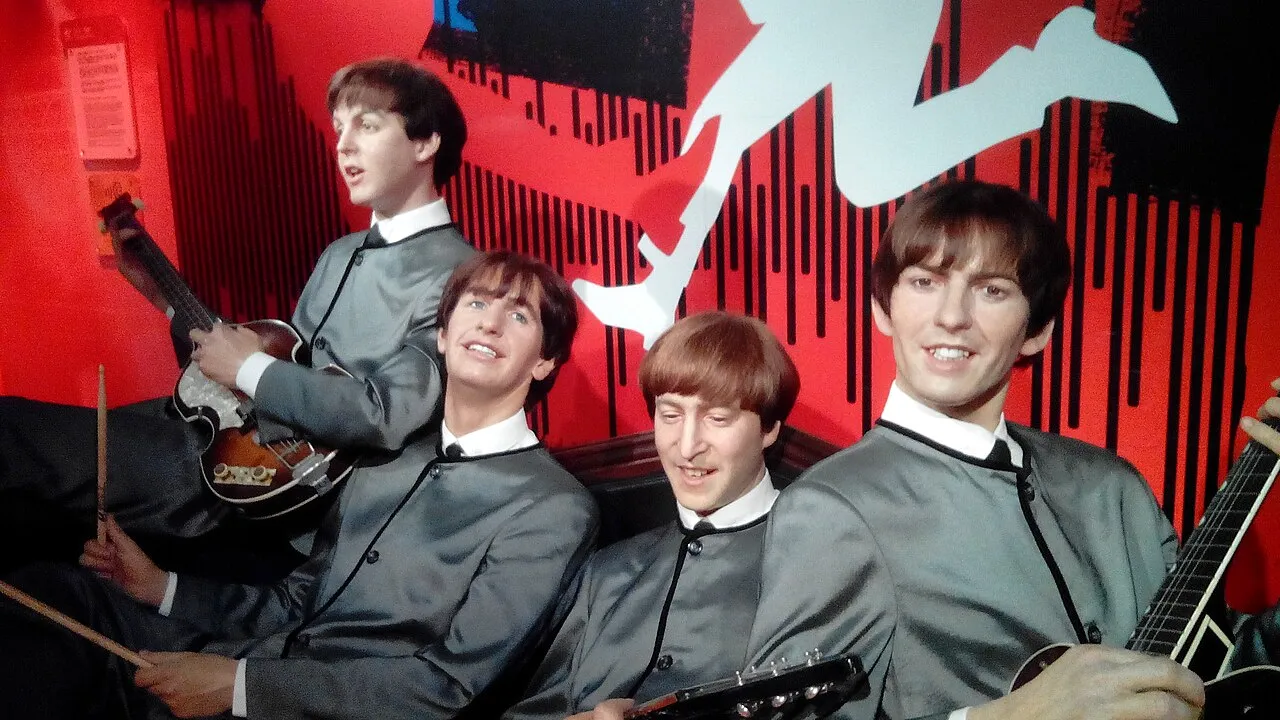
Few music groups have reshaped modern pop, art, and youth culture as profoundly as The Beatles. Originating from Liverpool around 1960, this quartet reorganizes the sound and spirit of the 20th century. Within a decade, they evolved from energetic club performers into studio innovators whose recordings became templates for generations of musicians and producers.
This guide gathers everything in one reader-friendly resource: concise bio, a visual timeline, clear album primers, and 25 essential song explainers, ideal for playlists, courses, or fans building a reference hub. It also comprises a practical listening and buying roadmap for 2025, covering the newest remasters, box sets, and Anthology reissues.
Quick Facts Who They Are
Band Name: The Beatles
Core Members: John Lennon, Paul McCartney, George Harrison, Ringo Starr
Origin: Liverpool, England
Formed: Circa 1960
Years Active: 1960–1970
Genres: Rock, pop, beat, psychedelia, baroque pop, folk-rock
Primary Labels: Parlophone, Apple Records
Estimated Global Sales: ~600 million units (one of the highest in music history)
The Beatles remain the world’s most influential band, bridging innovation, melody, and cultural commentary all while shaping recording technology, fashion, and global youth identity.
Short Biography: Why They Matter
The Beatles began as ambitious teenagers playing small clubs in Liverpool and Hamburg. Their early nights in smoky clubs forged their performance skills and group chemistry. Once discovered and signed by producer George Martin, they quickly became global icons, the phenomenon called Beatlemania.
In the studio, they redefined what popular music could be. They introduced multitrack recording, tape manipulation, orchestral textures, and exotic instruments like the sitar. Their evolution from “She Loves You” to Sgt. Pepper’s Lonely Hearts Club Band mirrored the growth of pop itself from simple dance music to a modern art form.
They disbanded in 1970, but their songs, films, and entrepreneurial moves (including Apple Corps) continue to shape how the music industry functions. Musicians still analyze their chord progressions; marketers study their brand; and collectors treasure every pressing. The Beatles weren’t just a band; they were a cultural revolution.
Scannable Timeline (1960–1970)
1960–1962 Formation & Hamburg Years:
Played marathon sets in Liverpool’s Cavern Club and Hamburg’s clubs. The early lineup included Stuart Sutcliffe and Pete Best.
1962–1966 Breakthrough & Beatlemania:
Signed to Parlophone under George Martin. Global hits, world tours, and movies like A Hard Day’s Night.
1967–1969 Studio Innovation & Psychedelia:
Albums Revolver and Sgt. Pepper redefined studio experimentation; they stopped touring to focus on recording.
1969–1970 Split & Legacy:
Business strains and creative differences led to Let It Be and the band’s dissolution, but not the end of their influence.
Members’ Short Bios & Signature Roles
John Lennon (1940–1980)
Co-founder, lyricist, and avant-garde thinker. His songwriting often tackled emotional and political subjects. Songs like “Imagine” (solo) and “In My Life” display his introspection and raw honesty.
Paul McCartney (b. 1942)
Master of melody and pop architecture. As a bassist, he expanded what bass lines could do melodically. His songwriting versatility from “Yesterday” to “Hey Jude” defines popular composition.
George Harrison (1943–2001)
Lead guitarist and spiritual seeker. Introduced Indian instruments and philosophies into pop music. His songs like “Something” and “Here Comes the Sun” are revered worldwide.
Ringo Starr (b. 1940)
Drummer with groove, humor, and humanity. Known for steady rhythms and charismatic stage presence. His vocal turns on songs like “With a Little Help from My Friends” made him a fan-favorite.

Album-by-Album Primer: How to Read & Listen
(Each album card: Year → What to listen for → Key tracks → Notes)
| Album | Year | Highlights & Listening Focus |
| Please Please Me | 1963 | Raw debut energy, live-studio vibe. Key tracks: “I Saw Her Standing There,” “Please Please Me.” |
| With the Beatles | 1963 | Polished harmonies, growing songwriting confidence. |
| A Hard Day’s Night | 1964 | Film soundtrack; pure Lennon–McCartney craftsmanship. |
| Beatles for Sale | 1964 | Reflective tone; mix of covers and weary originals. |
| Help! | 1965 | Transitional album — emotional depth, folk influences. Key track: “Yesterday.” |
| Rubber Soul | 1965 | Sophisticated lyrics and folk-rock textures. |
| Revolver | 1966 | Studio innovation, tape loops, and backward guitars. |
| Sgt. Pepper’s Lonely Hearts Club Band | 1967 | Conceptual masterpiece — the studio becomes an instrument. |
| Magical Mystery Tour | 1967 | Surreal and colorful; includes “Strawberry Fields Forever.” |
| The Beatles (White Album) | 1968 | Eclectic double LP showing four unique creative voices. |
| Yellow Submarine | 1969 | Soundtrack with orchestral scores. |
| Abbey Road | 1969 | Polished swan song; famous medley and iconic cover. |
| Let It Be | 1970 | Recorded amid tensions; raw, honest sound. |
Signature Songs: Why They Still Matter
For New Listeners
- A Day in the Life Expands pop structure into orchestral art. A sonic journey from everyday to existential.
- Hey Jude Long singalong coda; timeless anthem of hope.
- Let It Be Gospel-inspired reassurance and spiritual calm.
- Yesterday Simple yet profound melody; the most covered song ever.
- Come Together Groovy, mysterious; minimalism meets swagger.
- Something Harrison’s romantic masterpiece with a lush arrangement.
- Strawberry Fields Forever Dreamlike production, psychedelic landmark.
- Eleanor Rigby String quartet storytelling; emotional realism.
- In My Life: Nostalgia and poetic lyricism; subtle keyboard solo.
- While My Guitar Gently Weeps: Guitar emotion and lyrical reflection.
Bonus Picks for Musicians & Deep Listeners
- Tomorrow Never Knows: Electronic tape loops and drone foundation.
- Blackbird McCartney’s fingerstyle acoustic elegance.
- Across the Universe: Meditative poetry and studio layering.
- Lucy in the Sky with Diamonds: Imaginative lyrics and surreal structure.
- I Am the Walrus Absurdist masterpiece; rich orchestration.
- Here Comes the Sun: Optimism and perfect acoustic tone.
- Help! Candid lyrics wrapped in upbeat melody.
- Paperback Writer Vocal harmonies and distorted guitars.
- Rain Early use of backward vocals and complex drumming.
- Now and Then (2023) The “final” Beatles song restored with AI clarity.
How to Listen Today: Three Clear Paths
| Listener Type | Recommended Start | Why It Works |
| New Listener | Revolver | Balanced, inventive, yet approachable. |
| Songwriter / Musician | Rubber Soul → Sgt. Pepper | Study of lyrical, melodic, and structural mastery. |
| Audiophile / Producer | Sgt. Pepper (Mono) → Abbey Road | Technical zenith of 1960s production. |
| Collector / Archivist | Anthology Deluxe (2025) | Historical sessions, demos, and detailed notes. |
Buying Guide Remasters, Mono vs Stereo, Box Sets & Vinyl
Mono vs Stereo
- Mono: Preferred by purists for original 1960s balance.
- Stereo: Modern experience; instruments are spatially spread.
Giles Martin Remasters (2025)
New Anthology editions (Volumes 1–4) supervised by Giles Martin include upgraded mixes, unreleased takes, and remastered visuals.
Format Comparison
| Feature | Streaming | Mono Box Set | Deluxe Vinyl |
| Cost | Low | High | High |
| Sound Quality | Compressed | Authentic | Rich & warm |
| Collector Appeal | Low | High | High |
| Best For | Everyday listening | Historical study | Audiophile enjoyment |
Buying Tip:
For casual listeners, start with official playlists or 2025 remasters.
For collectors, seek mono box sets or limited-edition colored vinyls.
Business, Rights & Sync Licensing Basics
Using Beatles music legally requires permission.
Their rights are held by Apple Corps Ltd. and respective publishers.
- Sync Licensing: Needed for film, ads, or any use of the original recording.
- Mechanical Rights: Cover song performances may be subject to different rules.
- Public Domain: Beatles material is not in the public domain.
- YouTube Covers: Usually allowed under platform licensing, but not full track usage.
Pros & Cons Creating a Beatles Pillar Page
Pros
- Constant search interest.
- Evergreen topic with new yearly news hooks.
- Easy to enrich with images, videos, and playlists.
- Strong potential for E-E-A-T authority.
Cons
- Heavy competition (Wikipedia, Britannica, Official site).
- Limited rights for embedding media.
- Requires frequent updates to stay fresh.
FAQs
A: 12 canonical UK studio albums, plus compilations and Anthology collections.
A: Revolver or Abbey Road offers the best mix of craft and innovation. For early energy, try Please Please Me.
A: Yes, the Anthology 2025 editions and a restored documentary on Disney+ have been announced.
A: No original recordings require sync licensing via Apple Corps or authorized publishers.
Conclusion:
More than sixty years after they first replaced the sound of accepted music, The Beatles remain unmatched in sway, innovation, and passionate reach. What began as four young men from scousers chasing rock ’n’ roll dreams became a global cultural revolution that reshaped how people write, record, and experience music. Whether you’re a lifelong fan, a new listener discovering them for the first time, or a student exploring music history, The Beatles Will Always Be More Than A Band; they are the soundtrack to modern creativity. Their message of love, peace, and potentiality continues to echo across generations, and in that sense, the world will always live in the age of The Beatles.