Introduction
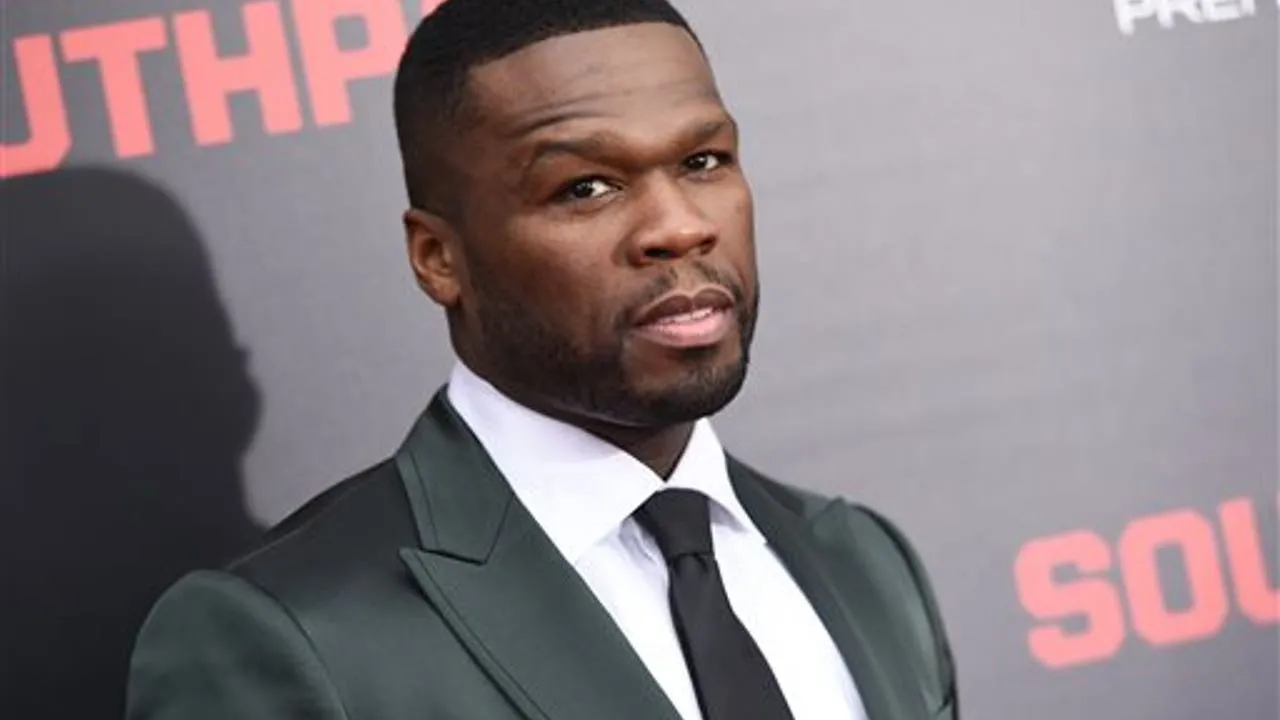
Curtis “50 Cent” Jackson is one of hip-hop’s clearest examples of turning struggle into scale. Rising from South Jamaica, Queens, he used the mixtape circuit to break into the mainstream, then transformed chart-topping success into a diversified business career. From the era-defining Get Rich or Die Tryin’ to high-stakes brand deals and television production, his path blends street credibility with sharp commercial instincts. This ultimate guide traces 50 Cent’s full journey through music, movies, and money. It covers his breakthrough albums, the VitaminWater exit, the Power TV universe, the 2015 Chapter 11 bankruptcy, and how his net worth is estimated in 2026. Built as a high-authority pillar page, it’s designed for fans, journalists, and business readers who want a clear, well-structured view of how Curtis Jackson built and rebuilt his empire.
.
Quick facts
Early life & education
Curtis “50 Cent” Jackson was born in the South Jamaica neighbourhood of Queens, New York, on July 6, 1975. His mother died when he was young, and he was raised by his grandmother. As a teen, he lived a hard life on the streets, which included selling drugs. Music became his way out; he learned songwriting and studio craft from mentors like Jam Master Jay and started making mixtapes in the late 1990s. These early mixtapes gave him the street buzz that later led to big-label attention.
Career journey step-by-step
Mixtape hustle & early grind (1996–2002)
He began in New York City mixtape circles, building a street reputation and sharpening hooks and structure under mentor involvement. He survived a near-fatal shooting in 2000 (shot multiple times), which changed his story and image.
Major-label breakthrough & Get Rich or Die Tryin’ (2003)
After relentless mixtape work, he signed to Eminem and Dr. Dre’s labels. His debut album Get Rich, or Die Tryin’ (2003) became a cultural and commercial smash, anchored by the single “In Da Club”. This album turned 50 Cent into an international star.
Peak recording years & G-Unit expansion
Albums like The Massacre (2005) and others followed. He launched the G-Unit label and extended his brand into clothing and merch. Commercial success continued even as critics sometimes judged later albums less favourably.
The media pivot, acting to produce
He starred in the semi-autobiographical film Get Rich or Die Tryin’ (2005), then moved into producing. He built a TV and film business. The Power franchise became his most valuable creative asset.
Business & later years
He invested in beverages, spirits, and other brands. He continued TV production and new projects in 2024–2026. His public profile now mixes production credits, licensing, and occasional music.
Breakthrough album
Get Rich, or Die Tryin’ is the record that made 50 Cent a household name. The album mixed gritty stories with melodic hooks, Songs People remember and still play. The production backing of Eminem and Dr. Dre helped it reach. It sold millions and created a late-1990s/early-2000s rap blueprint: raw street image + radio-friendly beats + smart marketing.
Discography snapshot
Film & TV
50 Cent moved from being in front of the camera to making money behind it. The Power franchise (on Starz and beyond) and its spin-offs created a content system with long-term revenue: licensing, streaming windows, spin-offs, and producer fees. His overall deals with Starz and ongoing production credits show how he shifted to content ownership.
Money, legal battles, and the 2015 bankruptcy
Short version: 50 Cent filed for Chapter 11 bankruptcy protection in July 2015. The filing listed both assets and debts and drew heavy press coverage because it followed big legal judgments and public disputes.
- He filed Chapter 11 in July 2015, listing liabilities and assets.
The bankruptcy was largely a reorganization and was later closed with a plan approved in 2016. - During the filing, a judge criticized his social-media posts; he later admitted some of the images were prop money. This makes for a vivid anecdote about wealth vs. liquidity.
Net worth in 2026
Public estimates differ because sources count Different things: some include projected TV backend deals, others count only cash and known assets. Here’s how to present the net-worth section on your page.
Common figures reported
For example, some sources placed him quite high in the mid-2010s. Post-bankruptcy and in later coverage, public estimates vary widely (ranging from roughly US$40 million → to US$150 million) depending on source and what is counted (royalties, TV production backend, liabilities).

How to show this on your pillar page
Estimated net-worth (2026): US$40 M – US$150 M (range reflects differing estimates and private deal values).
Add a small note: “We include music royalties, TV production backend, and common public estimates; liabilities may reduce liquidity.”
Other business ventures & brands
- G‑Unit Clothing / Merch early brand plays.
- Effen Vodka, Branson Cognac, Le Chemin du Roi spirits, and luxury-drink partnerships.
- Street Kin beverage startup he pushed.
- G‑Unit Film & Television production vehicle behind Power and other shows.
FAQs
A: He rose through the mixtape scene and then released Get Rich or Die Tryin’ (2003), backed by Eminem and Dr. Dre.
A: Yes. He was a minority investor and promoter for Glacéau (VitaminWater). When Coca-Cola bought Glacéau in 2007, reports say he received a large payout (commonly cited around US$60-100 M after taxes).
A: Yes. He filed for Chapter 11 bankruptcy protection in July 2015; the filing was widely reported and later resolved with an approved plan.
A: In 2026, he remains active in TV production (Power universe and other projects), music, and brand ventures. You should check trade news for the latest production deals.
Conclusion
Curtis “50 Cent” Jackson shows both sides of the modern entertainer-entrepreneur story. He turned mixtape fame into record sales and a landmark business exit (the VitaminWater play), and then used content creation (the Power franchise) to build ongoing revenue. But his path also includes sharp reminders: legal battles, public Courtroom drama, and a Chapter 11 filing. For publishers, the SEO play is clear: build a long, well-sourced pillar with visual timelines, downloadable assets, and FAQ schema. That structure answers search intent for fans, journalists, and business readers and gives your site an asset others will link to. Want one of those assets now? I can create a printable timeline PNG, a downloadable PDF, or a set of social media snippets.